SEE All WORKS
CertifyOS
Healthcare data infrastructure moves billions of dollars and is invisible to almost everyone it touches. I built the entire creative function meant to make that invisible system trustworthy — alone, producing 150+ assets a year while the company tripled around me.
Service
Branding
Industry
Healthcare Technology
My Role
Sole Designer & Creative Lead
01
A full creative team's output, from one seat.
Design at Certify started the way it does at most early companies: reactive, one request at a time, no shared language, no system underneath. Marketing needed campaigns and social. Sales needed decks riding on seven-figure deals. Product needed interface support. Customer Success needed a Knowledge Center clients would actually trust. Every request started on a blank canvas, and the brand drifted a little each time.
The pace made it worse. A company moving toward a Series B doesn't slow down for design to catch up. Requests compound, deadlines tighten, and the easy move is shipping whatever's fastest and fixing the brand later. Later never comes — that path ends in a library of one-offs that don't look like the same company, and a designer firefighting instead of building.
The obvious answer to rising demand was hiring a team of specialists. The bet I made instead: could a system, with AI inside it, absorb the growth — so output scaled without headcount scaling in step.
02
Treat design like infrastructure, not a service desk.
The bet was leverage, built on purpose — not more hours. Three calls, and I held all three.
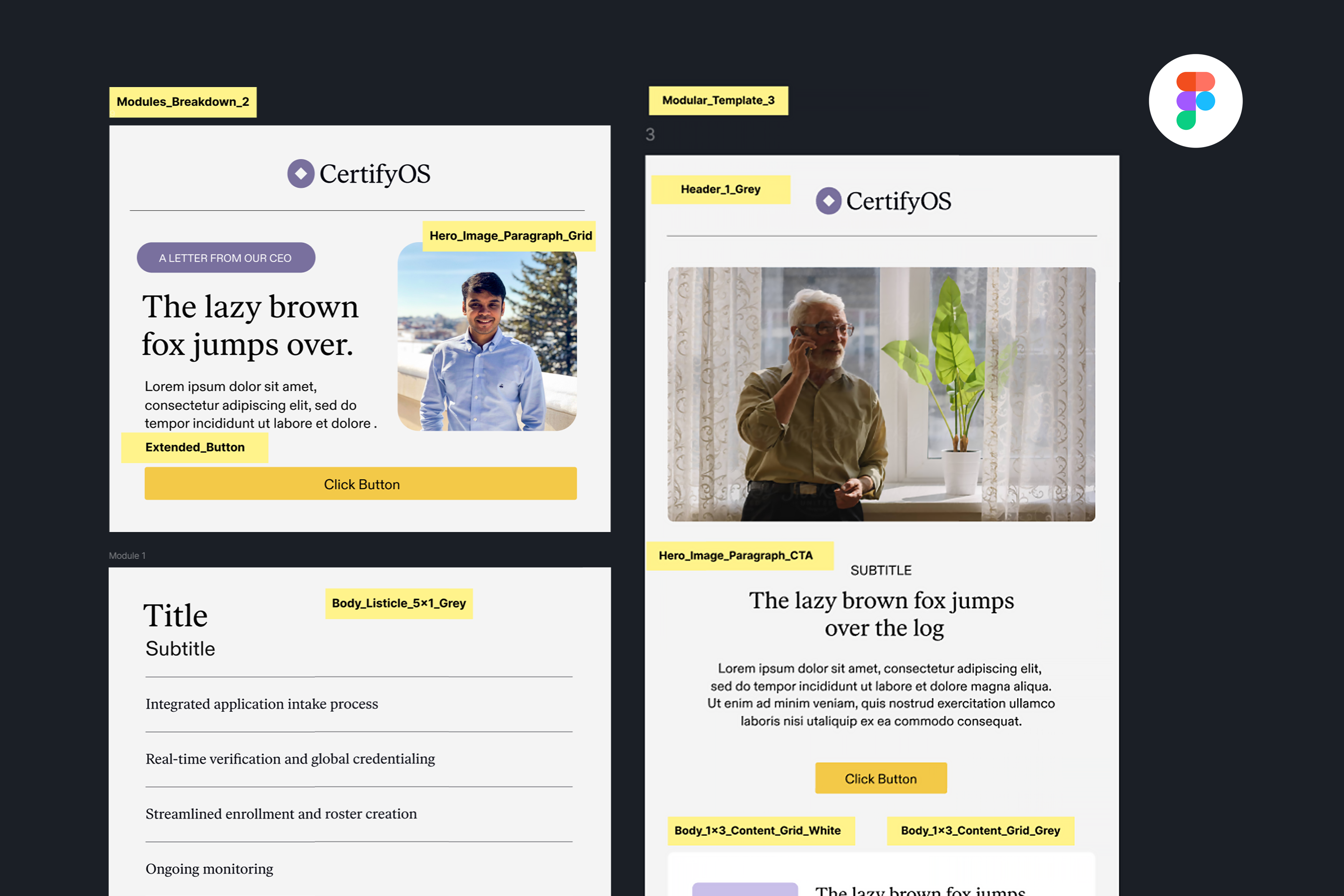
First, design as a connected system instead of a queue of favors. Reusable component libraries, templates, and brand frameworks turned every incoming request into an assembly problem instead of a fresh start. A deck, a landing page, an event banner, and a social campaign all came off the same underlying system — which is also what kept the brand coherent as volume climbed.
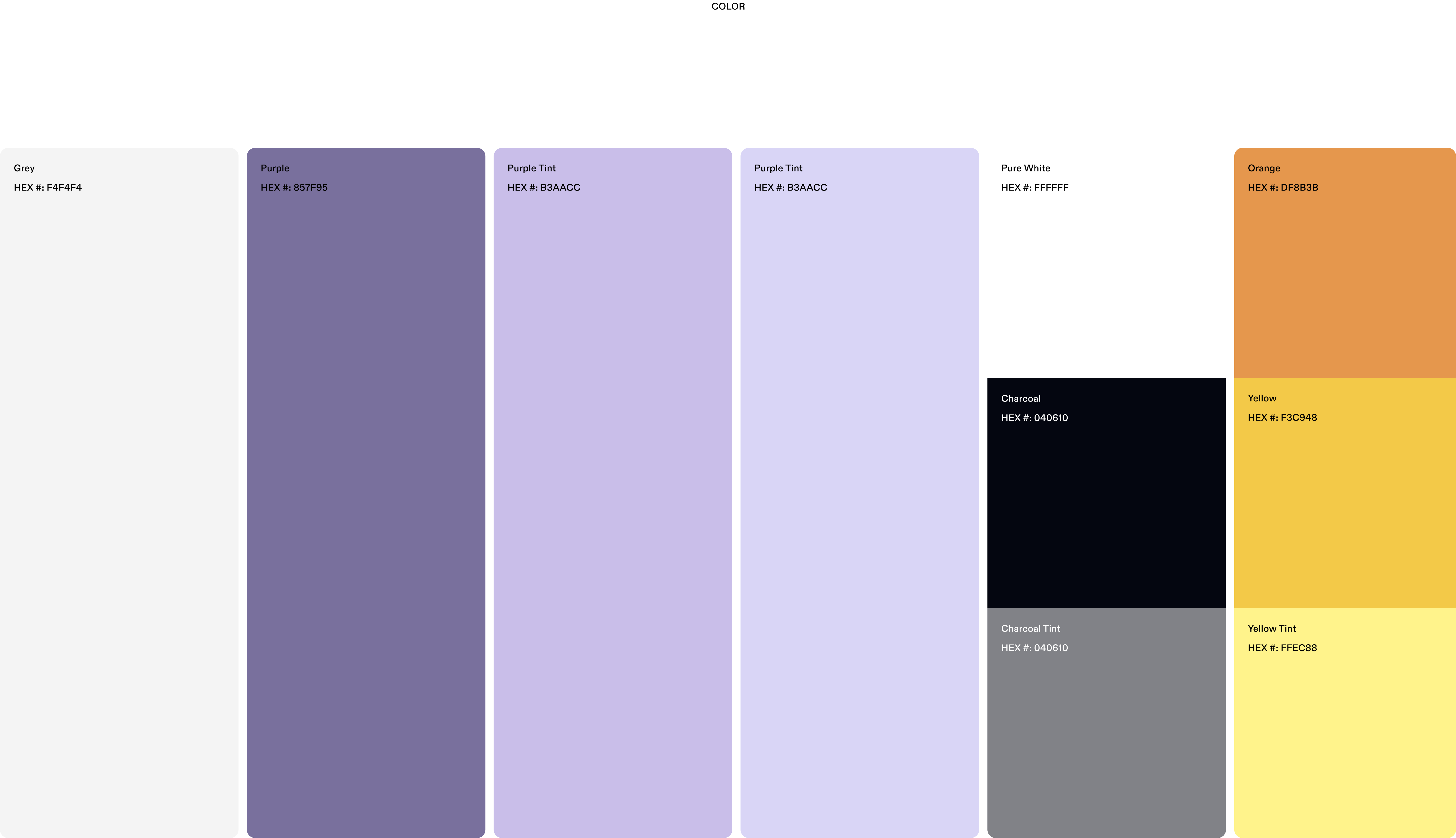
Second, layers, so speed never cost consistency. At the base: a documented visual language — type, color, spacing, component patterns — set down well enough that any new asset started most of the way there. On top: templated production for the highest-volume work, so predictable requests took minutes instead of days, while the work that needed judgment still got it.
Third, AI inside the engine, not on the marquee. It accelerated ideation, first drafts, and production where that genuinely helped, and nowhere else. Judgment stayed human; the grunt work got automated.
The work didn't stop at visuals. I rebuilt and still maintain the marketing website and the customer-facing Knowledge Center end to end, and standardized the operational layer around the whole function — a clear creative-request intake, HubSpot and Jira workflows, defined SLAs — so the rest of the company knew how to ask for work and when it would land. What came out is less a portfolio of one-offs than a machine that keeps producing, and keeps looking like one brand while it does.
03
2–3x the benchmark, from one designer.
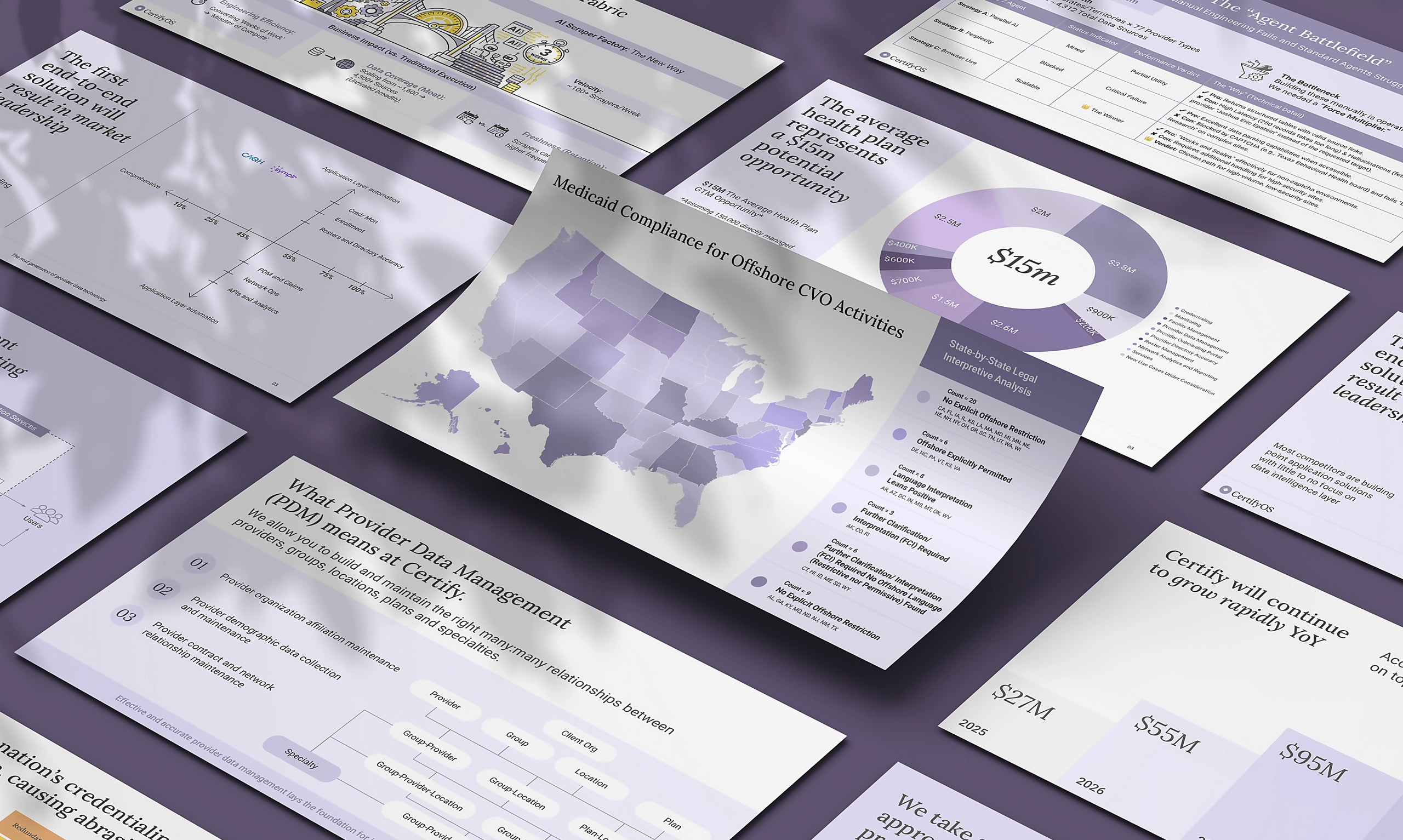
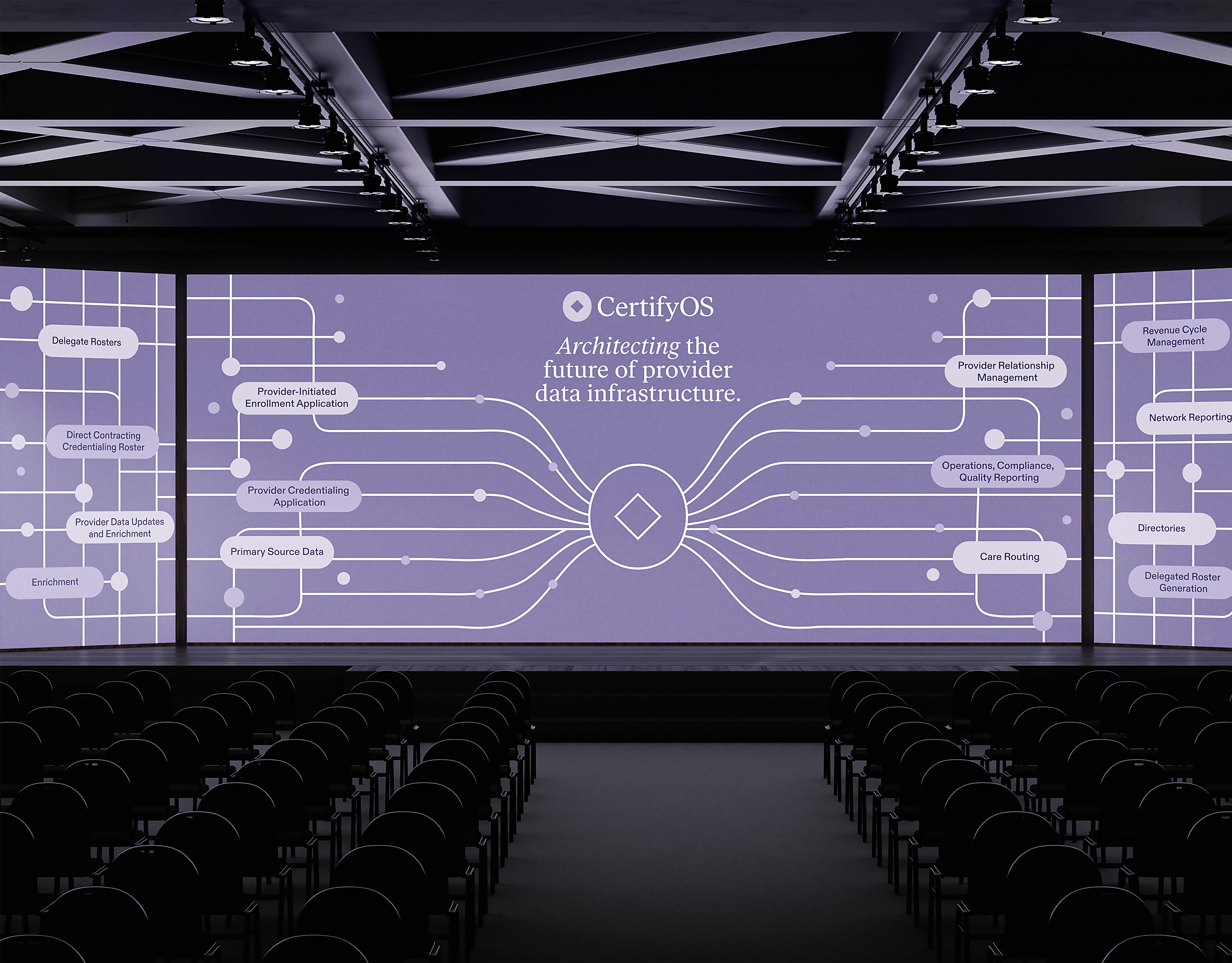
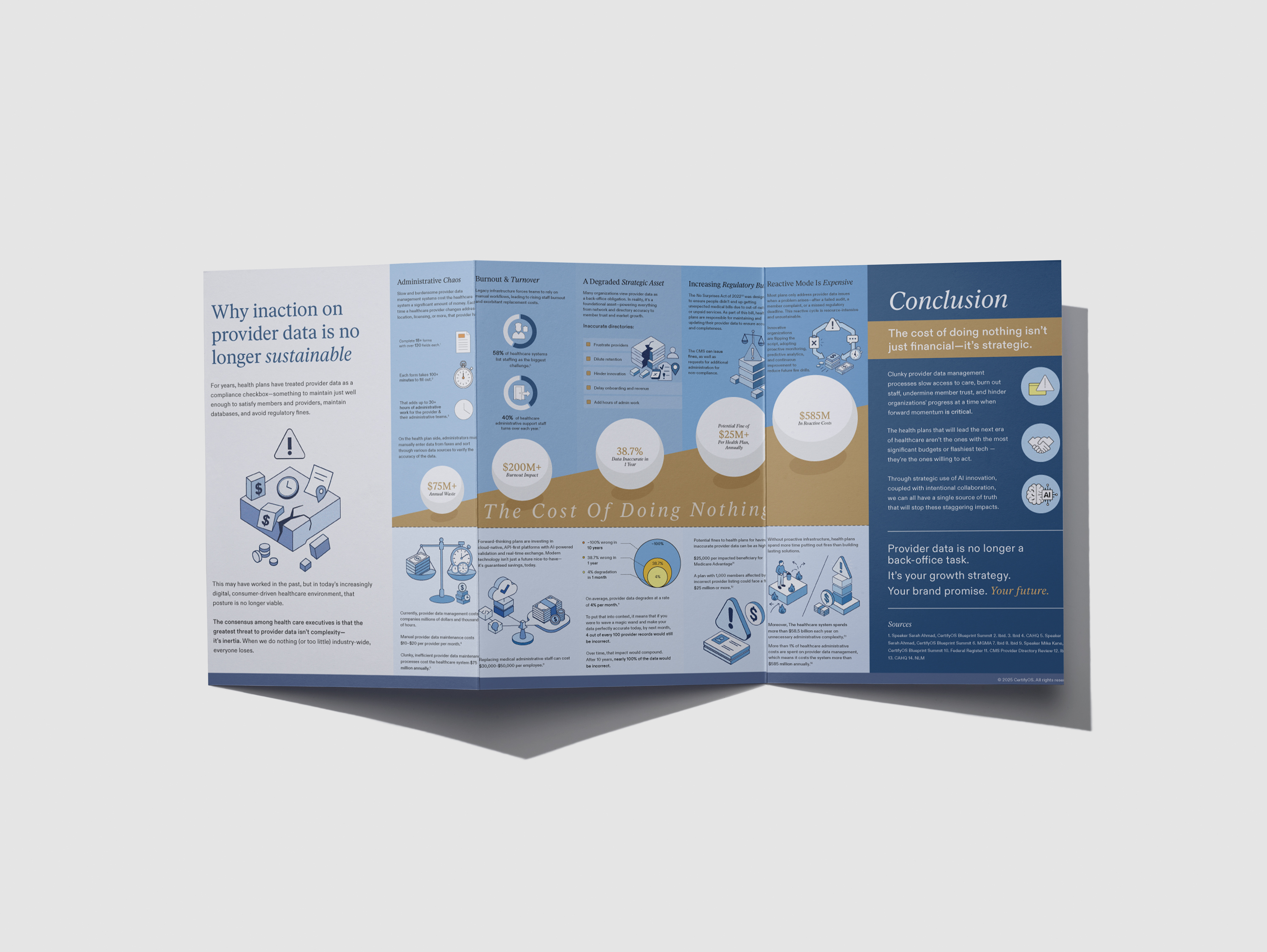
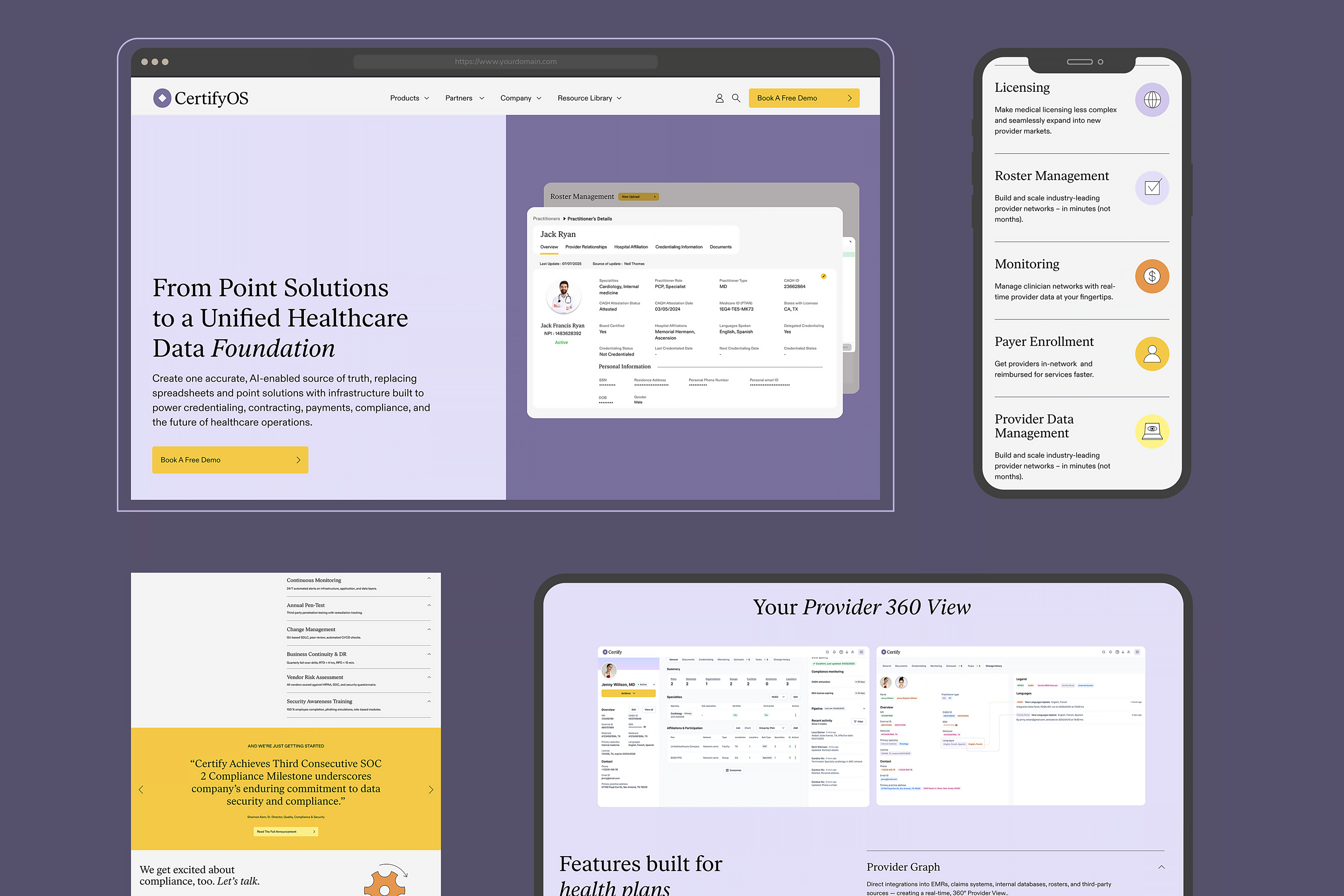
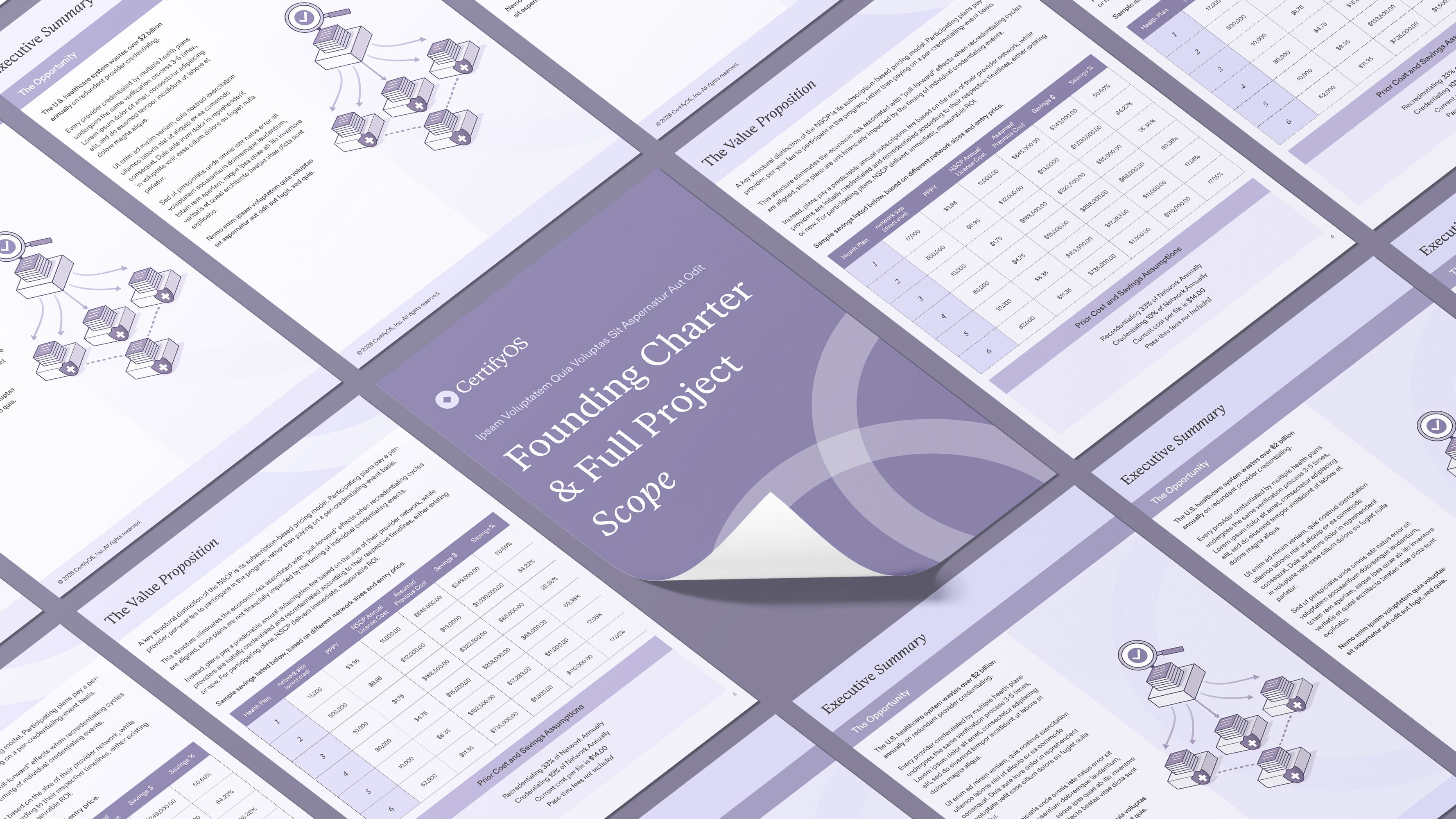
The system in practice — website, Knowledge Center, decks, social, and print, all running on one brand.

.jpeg)
150+ | creative assets shipped in 2025; <1 wk | turnaround, down from 3–4 weeks; 2 | vendor projects brought in-house; 2–3x | output vs. industry benchmarks
In her first 30 days she shipped our first Certify Magazine, our first infographic, our first big NAMSS booth, a full website refresh, and weekly social, with deck turnarounds under 48 hours. Zarina operates like a full creative team.
.jpeg)
.jpeg)
.png)